
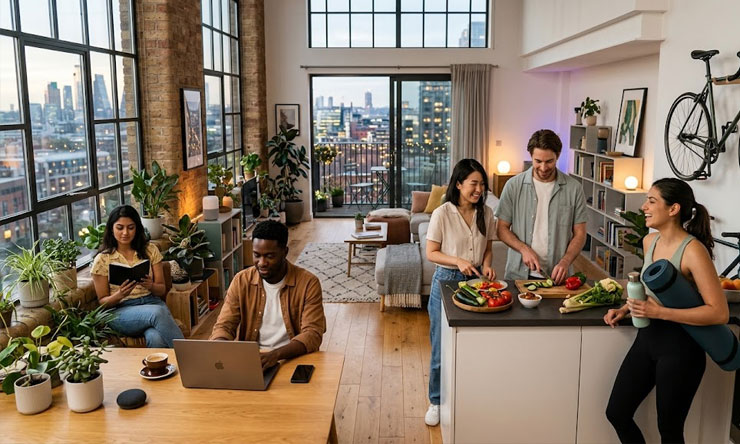
Modern lifestyles continue to evolve as technology, culture, health awareness, and global connectivity influence how people live every day. Across different countries and generations, people are redefining priorities related to work, wellness, relationships, sustainability, and personal fulfillment. The concept of lifestyle is no longer limited to fashion or luxury. Today, it reflects values, habits, emotional well-being, productivity, and the pursuit of balance in a rapidly changing world.
In recent years, lifestyle trends have become more globalized than ever before. Social media, remote work, digital communities, and access to worldwide information allow people to adopt habits and ideas from different cultures almost instantly. From minimalist living in urban apartments to wellness-focused routines and eco-conscious consumption, modern living is increasingly centered around intentional choices. These trends not only shape individual behavior but also influence industries, economies, and social interactions worldwide.
The Rise of Wellness-Focused Living
One of the most significant lifestyle trends shaping modern society is the growing focus on wellness. People are becoming more aware of the connection between physical health, mental well-being, and overall quality of life. This shift has encouraged millions to adopt healthier routines that prioritize self-care, nutrition, fitness, and emotional balance.
The wellness movement extends far beyond traditional exercise. Today, wellness includes mindfulness practices, meditation, better sleep habits, digital detox routines, and stress management. Many individuals are seeking healthier lifestyles not just to improve appearance, but to increase longevity and emotional stability. As a result, wellness apps, fitness platforms, healthy food brands, and holistic therapies continue to grow in popularity around the world.
Mental health awareness has also become a major part of modern living. Conversations about anxiety, burnout, and emotional fatigue are more open than ever before. Employers, schools, and communities increasingly recognize the importance of supporting psychological well-being. Therapy, counseling services, and mental wellness programs are becoming more accessible and socially accepted.
Another important aspect of wellness-focused living is personalized health. Wearable technology such as fitness trackers and smartwatches enables people to monitor sleep patterns, heart rate, calorie intake, and physical activity in real time. Individuals now use data to make informed decisions about their daily habits and health goals.
Nutrition trends are also changing. More consumers are adopting plant-based diets, reducing processed food intake, and paying attention to ingredient transparency. Organic foods, sustainable farming, and healthier meal planning are no longer niche interests but mainstream lifestyle choices. In many countries, people are increasingly interested in balancing convenience with healthy eating habits.
The popularity of wellness retreats, yoga studios, and mindfulness programs demonstrates how modern lifestyles prioritize inner peace alongside productivity. Even travel trends now include wellness tourism, where individuals seek experiences that support relaxation, healing, and self-discovery.
Technology and the Transformation of Daily Life
Technology has dramatically reshaped how people live, work, communicate, and entertain themselves. The integration of digital tools into everyday routines is one of the most defining characteristics of modern living worldwide. Smartphones, artificial intelligence, social media, and smart home systems continue to influence human behavior on a global scale.
Remote work is among the biggest lifestyle transformations driven by technology. Millions of professionals now work from home or adopt hybrid schedules that combine office and remote environments. This shift allows individuals greater flexibility, reduced commuting time, and more control over their daily routines. As a result, many people are prioritizing work-life balance and relocating to areas that better support their preferred lifestyles.
Digital nomadism has also become increasingly popular. Professionals can now work while traveling to different countries, creating a lifestyle that blends productivity with exploration. Cities around the world are adapting to this trend by developing coworking spaces, high-speed internet infrastructure, and remote worker communities.
Social media platforms continue to shape trends, consumer behavior, and personal identity. People use digital platforms not only for entertainment but also for education, networking, and self-expression. Influencer culture has transformed industries such as fashion, fitness, beauty, and travel. Online content now plays a major role in shaping lifestyle aspirations and purchasing decisions.
Smart homes are another growing trend in modern living. Voice-controlled assistants, automated lighting, security systems, and energy-efficient appliances provide convenience and efficiency. Many households are adopting technology that simplifies everyday tasks while improving comfort and sustainability.
Entertainment consumption has also changed significantly. Streaming platforms, podcasts, online gaming, and virtual events have replaced many traditional forms of entertainment. People can now access global content instantly, allowing cultures and trends to spread rapidly across borders.
At the same time, technology has created new challenges. Excessive screen time, social media pressure, and digital fatigue have become common concerns. Many individuals now seek balance by practicing digital minimalism or limiting online distractions. This growing awareness has encouraged people to reconsider how technology impacts mental health, relationships, and productivity.
The relationship between technology and lifestyle also extends into the world of business. Companies increasingly adapt to changing consumer expectations by embracing digital transformation, flexible work cultures, and sustainability initiatives. Modern consumers prefer brands that align with their personal values, making lifestyle trends an important factor in global business strategies.
Sustainability and Conscious Consumerism
Environmental awareness is becoming a defining element of modern lifestyles worldwide. Consumers are increasingly concerned about climate change, waste management, ethical production, and sustainable living practices. As a result, conscious consumerism continues to influence purchasing habits and everyday decisions.
Minimalism has emerged as one of the most influential lifestyle movements connected to sustainability. Many individuals are choosing to own fewer possessions and focus on quality over quantity. This mindset encourages people to reduce clutter, avoid unnecessary purchases, and prioritize experiences rather than material goods.
Sustainable fashion has gained momentum as consumers become more aware of the environmental impact of fast fashion. Ethical brands, secondhand shopping, recycled materials, and capsule wardrobes are becoming more popular across different age groups. People now seek clothing that combines style, durability, and responsible production practices.
Eco-friendly living also affects household habits. Many families are reducing plastic use, conserving energy, recycling waste, and adopting reusable products. Renewable energy systems, electric vehicles, and sustainable home designs are increasingly integrated into modern lifestyles.
Food consumption patterns are also evolving in response to environmental concerns. Locally sourced ingredients, organic farming, and plant-based alternatives are gaining widespread support. Consumers want greater transparency about how products are produced and distributed.
Travel habits are changing as well. Sustainable tourism encourages travelers to respect local cultures, reduce environmental impact, and support local economies. Eco-resorts, nature-based tourism, and low-carbon transportation options continue to attract environmentally conscious travelers.
Conscious consumerism is not limited to environmental issues. Ethical considerations such as fair labor practices, diversity, and social responsibility also influence modern purchasing behavior. Many consumers prefer brands that demonstrate transparency and meaningful social impact.
Governments, organizations, and communities are supporting sustainability initiatives through public campaigns and regulations. Educational programs encourage younger generations to adopt environmentally responsible habits early in life. As sustainability becomes increasingly important, modern living continues to shift toward more mindful and responsible choices.
Conclusion
Lifestyle trends shaping modern living worldwide reflect changing priorities, technological advancements, and growing awareness of health and sustainability. People today are seeking lives that combine convenience, emotional well-being, flexibility, and purpose. Wellness-focused habits, digital transformation, and conscious consumerism continue to redefine how individuals interact with the world around them.
Modern lifestyles are becoming more personalized and intentional. Rather than following traditional patterns, individuals now create routines and environments that align with their personal values and goals. Technology enables greater freedom and connectivity, while sustainability encourages more responsible living practices. These trends are influencing not only personal behavior but also industries, workplaces, education systems, and global culture.
As society continues to evolve, lifestyle trends will likely become even more interconnected with innovation, environmental awareness, and mental well-being. The future of modern living will depend on how individuals and communities balance progress with human connection, productivity with wellness, and convenience with sustainability. By understanding these global lifestyle shifts, people can make more informed decisions that support healthier, more meaningful, and future-oriented ways of living.