Remote work has transformed the way people live, communicate, and structure their daily routines. What was once considered a flexible option for a limited number of professionals has now become a global lifestyle shift affecting millions of workers worldwide. Advances in technology, digital communication tools, and changing workplace expectations have allowed employees to work from home, coworking spaces, or even while traveling across different countries. This transformation has significantly influenced modern lifestyles, creating new habits, opportunities, and challenges.
The rise of remote work accelerated rapidly in recent years as companies and employees recognized the benefits of flexible work arrangements. Many individuals now prioritize work-life balance, location independence, and personal well-being more than traditional office culture. Remote work not only changes professional environments but also affects relationships, health, productivity, consumer behavior, and urban living patterns. As this trend continues to evolve, it is reshaping modern lifestyles on a global scale.
The Shift Toward Flexible Living and Work-Life Balance
One of the most noticeable effects of remote work is the growing emphasis on flexibility and work-life balance. Traditional office routines often required long commutes, strict schedules, and limited personal time. Remote work has changed these patterns by allowing people greater control over how and where they work.
Without daily commuting, many employees save hours each week that can be redirected toward personal activities, exercise, hobbies, or family time. This additional flexibility often improves emotional well-being and reduces stress levels. People now have more opportunities to design routines that support healthier and more balanced lifestyles.
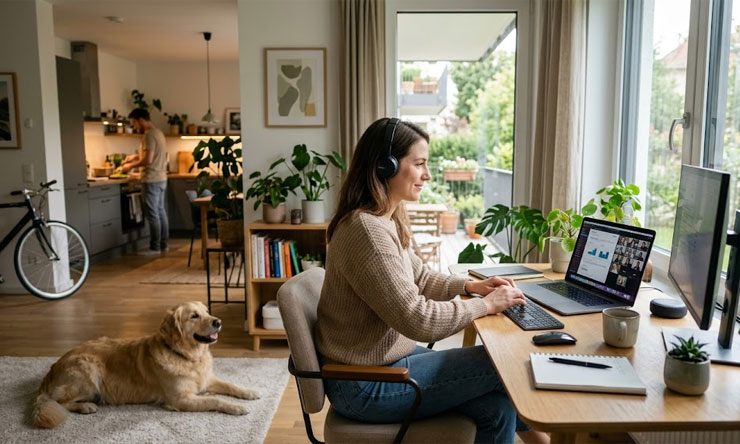
Remote work also allows individuals to customize their working environments. Some people prefer quiet home offices, while others enjoy working from cafes, coworking spaces, or different travel destinations. This freedom creates a more personalized approach to productivity and comfort.
The concept of location independence has become increasingly popular among remote workers. Many professionals no longer feel tied to expensive urban centers and choose to relocate to smaller cities or rural areas with lower living costs and better quality of life. This trend has influenced housing markets, local economies, and migration patterns in various countries.
Digital nomadism is another lifestyle trend connected to remote work. Professionals who work online while traveling combine career responsibilities with cultural exploration and personal freedom. Countries around the world now offer digital nomad visas and remote-worker-friendly programs to attract international talent.
Families also experience lifestyle changes due to remote work arrangements. Parents may spend more time with children and participate more actively in family routines. Flexible schedules can improve family relationships and create stronger emotional connections at home.
However, balancing work and personal life can also become challenging. Some remote workers struggle to separate professional responsibilities from private time because workspaces and living spaces overlap. Without clear boundaries, employees may experience burnout or mental fatigue. As a result, many people now focus on creating structured routines and dedicated workspaces to maintain balance.
Remote work has also encouraged individuals to reevaluate life priorities. Many employees seek careers that align with personal values, flexibility, and emotional well-being rather than simply pursuing traditional office success. This mindset shift continues to influence modern living worldwide.
Technology and the Evolution of Daily Routines
Technology plays a central role in supporting remote work lifestyles. Video conferencing platforms, cloud storage systems, collaboration tools, and messaging applications enable employees to communicate and complete tasks from virtually anywhere. As technology continues to evolve, digital connectivity has become an essential part of modern living.
Remote workers rely heavily on digital communication for meetings, teamwork, and project management. Virtual collaboration tools allow companies to maintain productivity even when employees are geographically separated. This digital transformation has changed workplace culture and redefined how organizations operate.
Daily routines have also evolved because of remote work technology. Many people now begin their workdays without leaving home, replacing commutes with virtual meetings and online communication. Flexible scheduling allows workers to organize tasks around personal preferences and productivity patterns.
Smart home technology has become increasingly important for remote workers. Comfortable home offices, ergonomic furniture, noise-canceling devices, and high-speed internet connections are now considered essential components of productive remote lifestyles. Many individuals invest in home improvements that support both comfort and efficiency.
Technology has also blurred the boundaries between work and personal life. Smartphones and communication apps make it easy for employees to remain connected outside working hours. While this increases convenience, it can also contribute to stress and digital fatigue if boundaries are not properly managed.
As a response, many individuals adopt digital wellness habits to maintain mental balance. Limiting notifications, creating screen-free periods, and scheduling regular breaks help remote workers avoid burnout and maintain focus. Digital minimalism is becoming an increasingly important lifestyle practice among remote professionals.
Online learning and skill development have also become part of modern remote work culture. Employees can access virtual courses, webinars, and professional training from anywhere in the world. Continuous learning allows individuals to remain competitive in changing industries while supporting career growth.
The rise of remote work has influenced consumer behavior as well. Home office equipment, productivity software, virtual fitness programs, and online wellness services continue to grow in demand. Many companies adapt their business strategies to meet the evolving needs of remote workers and digital consumers.
Technology-driven remote work has ultimately created a more connected yet decentralized world. Individuals can collaborate internationally while maintaining personal freedom and flexibility, reshaping both professional and personal lifestyles.
The Impact of Remote Work on Mental Health and Social Interaction
Remote work offers many mental health benefits, but it also presents emotional and social challenges. Flexible schedules and reduced commuting often lower stress levels and improve work satisfaction. Many individuals appreciate the freedom to manage their time more independently and create healthier routines.
One major benefit is increased autonomy. Remote workers can often structure their days according to their natural productivity rhythms, which may improve motivation and emotional well-being. Some individuals experience less workplace pressure and fewer office-related distractions compared to traditional work environments.
Remote work also allows more opportunities for self-care. Employees can prepare healthier meals, exercise during breaks, or spend more time with family members. These lifestyle adjustments often contribute to better mental and physical health.
However, isolation is one of the biggest challenges associated with remote work. Without regular in-person interaction, some individuals may experience loneliness or reduced social connection. Office environments often provide spontaneous conversations, teamwork, and social support that are harder to replicate virtually.
Virtual communication, while efficient, may sometimes feel less personal than face-to-face interaction. Miscommunication, lack of emotional cues, and digital fatigue can affect workplace relationships and collaboration. As a result, many companies now organize virtual social events or hybrid work arrangements to maintain team connection.
Mental boundaries between work and personal life are also essential for emotional wellness. Some remote workers feel pressure to remain constantly available, leading to stress and burnout. Establishing clear work schedules and taking regular breaks are important strategies for maintaining balance.
Physical health can also be affected by remote lifestyles. Long hours sitting at home without movement may contribute to fatigue, back pain, or reduced physical activity. Many individuals now incorporate walking routines, home workouts, or stretching exercises into their daily schedules to support healthier living.
Remote work has changed social habits as well. Coworking spaces and remote work communities have emerged as alternatives to traditional offices, allowing professionals to network and socialize while maintaining flexible careers. These spaces provide opportunities for collaboration and human connection outside the home.
The influence of remote work on mental health continues to shape modern lifestyle trends. As awareness grows, both individuals and organizations are focusing more on emotional well-being, productivity balance, and healthy digital habits in the remote work era.
Conclusion
Remote work has become one of the most influential lifestyle transformations in the modern world. By changing how people work, communicate, and organize their daily routines, remote work continues to reshape global lifestyles in significant ways. Flexibility, digital connectivity, and location independence are now central aspects of modern living for many professionals worldwide.
The impact of remote work extends beyond professional environments. It influences mental health, family relationships, housing choices, technology usage, and consumer behavior. While remote work offers greater freedom and improved work-life balance, it also requires individuals to manage boundaries, social connection, and digital well-being carefully.
As technology continues to evolve, remote work will likely remain an important part of future lifestyles and global business culture. Companies and employees alike are adapting to new expectations centered around flexibility, productivity, and emotional wellness. By understanding the benefits and challenges of remote work, individuals can create healthier and more balanced lifestyles that support both personal fulfillment and professional success.