In today’s fast-moving world, achieving work-life balance has become one of the most important goals for modern individuals. Many people struggle to balance career responsibilities, personal relationships, health, and leisure time while dealing with constant digital connectivity and increasing demands. As work environments evolve and lifestyles become more flexible, individuals are now focusing on lifestyle design as a way to create healthier and more fulfilling daily routines.
Lifestyle design refers to the intentional process of organizing life according to personal priorities, values, and goals. Instead of simply reacting to responsibilities and external pressures, people actively shape their schedules, environments, habits, and routines to support both professional success and personal well-being. This approach has become increasingly popular among professionals, entrepreneurs, remote workers, and families seeking greater balance in modern living.
The idea of work-life balance no longer means splitting time equally between work and personal life. Instead, it involves creating harmony between productivity, emotional health, relationships, and self-care. Through thoughtful lifestyle design, individuals can reduce stress, improve focus, and build routines that support long-term happiness and mental wellness.
Understanding the Principles of Lifestyle Design
Lifestyle design begins with self-awareness. People need to understand what truly matters to them before they can create routines that support balance and fulfillment. Some individuals prioritize career growth, while others value family time, creativity, travel, or health. By identifying personal values, people can make decisions that align with their desired lifestyles.
One of the most important principles of lifestyle design is intentional living. Modern society often encourages busyness and constant productivity, leaving little room for rest or reflection. Lifestyle design challenges this mindset by encouraging individuals to focus on meaningful activities instead of overwhelming schedules.
Time management plays a central role in creating work-life balance. Many people feel stressed not because they lack time, but because their schedules are disorganized or filled with unnecessary distractions. Setting clear priorities and planning daily routines helps individuals use their time more effectively.
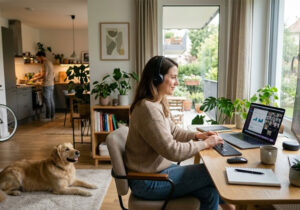
Flexible work arrangements have also contributed to the rise of lifestyle design. Remote work and hybrid schedules allow people greater freedom in choosing when and where they work. This flexibility enables individuals to create routines that support productivity while allowing more time for health, family, and personal interests.
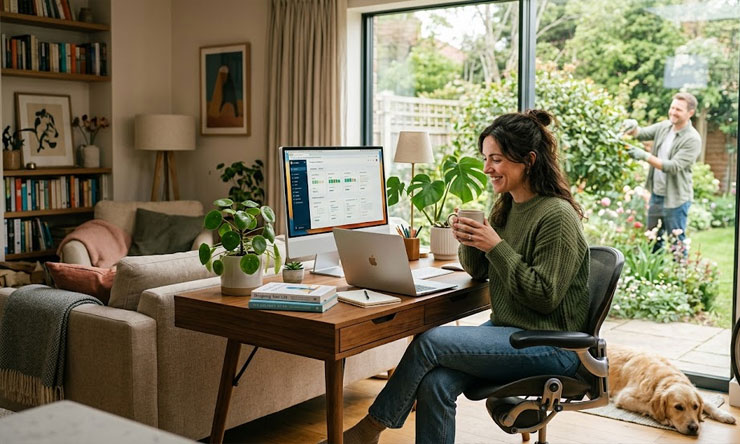
Physical environments also influence lifestyle balance. Organized workspaces, calming home environments, and comfortable living areas can improve focus and reduce stress. Many people now invest in creating spaces that encourage relaxation, creativity, and emotional comfort.
Another important principle is reducing unnecessary commitments. Overcommitting to tasks, social obligations, or digital distractions often leads to emotional exhaustion. Lifestyle design encourages people to simplify routines and focus on activities that genuinely support their goals and well-being.
Financial awareness is also connected to lifestyle balance. Many individuals redesign their lifestyles to reduce financial pressure and create greater freedom. Minimalist living, intentional spending, and flexible career paths are becoming popular strategies for reducing stress and improving life satisfaction.
Ultimately, lifestyle design is about creating a life that feels sustainable and meaningful rather than constantly overwhelming. It encourages people to become more intentional about how they spend their energy, attention, and time.
Building Healthy Habits for Better Balance
Healthy habits are essential for maintaining work-life balance. Daily routines strongly affect emotional health, productivity, energy levels, and overall well-being. Small but consistent lifestyle changes often create the biggest long-term improvements.
One of the most important habits is establishing clear boundaries between work and personal life. With digital technology allowing constant communication, many individuals struggle to disconnect from work responsibilities. Creating specific work hours and avoiding work-related tasks during personal time helps protect emotional well-being.
Morning and evening routines can also improve balance. Starting the day with exercise, mindfulness, journaling, or healthy meals creates a positive foundation for productivity and mental clarity. Evening routines focused on relaxation and rest help reduce stress and improve sleep quality.
Physical health plays a major role in emotional balance. Regular exercise improves mood, increases energy, and reduces anxiety. Activities such as walking, yoga, cycling, or strength training help individuals maintain both mental and physical wellness.
Nutrition is equally important. Healthy eating habits support concentration, emotional stability, and long-term energy levels. Many people redesign their lifestyles by preparing balanced meals, reducing processed foods, and practicing mindful eating.
Sleep quality is another critical factor in work-life balance. Poor sleep often contributes to irritability, fatigue, and reduced productivity. Lifestyle design encourages consistent sleep schedules and healthier nighttime habits, including limiting screen time before bed.
Digital wellness has become increasingly important in modern lifestyles. Constant notifications, social media scrolling, and online distractions can increase stress and reduce focus. Many individuals now practice digital minimalism by limiting unnecessary screen time and creating technology-free periods during the day.
Mindfulness practices also support healthier balance. Meditation, deep breathing, gratitude exercises, and journaling help individuals manage stress more effectively. These habits encourage emotional awareness and create moments of calm in busy schedules.
Personal hobbies and leisure activities should also be prioritized. Reading, music, art, gardening, traveling, or spending time outdoors provide emotional fulfillment and reduce burnout. Lifestyle balance improves when people create time for activities they genuinely enjoy.
Consistency is key when building healthy habits. Work-life balance is not achieved through one major change but through small daily actions that support long-term well-being and stability.
The Role of Relationships and Career Flexibility
Strong relationships are essential for a balanced lifestyle. Emotional support from family, friends, and communities helps individuals manage stress and maintain happiness. Lifestyle design often involves creating more time for meaningful human connection rather than focusing entirely on professional achievements.
Many people are now prioritizing quality time with loved ones over excessive work commitments. Shared meals, conversations, vacations, and simple daily interactions strengthen emotional bonds and improve overall well-being.
Communication also plays an important role in maintaining balance. Open discussions about responsibilities, expectations, and emotional needs help reduce misunderstandings and improve relationships both at home and in professional environments.
Career flexibility is another major factor influencing modern lifestyle design. Traditional work models centered around fixed office schedules are gradually changing. Many employees now seek flexible work arrangements that allow greater freedom and control over their daily lives.
Remote work has created new opportunities for balancing career goals with personal priorities. Individuals can spend less time commuting and more time focusing on health, family, or personal development. This flexibility often leads to improved emotional wellness and productivity.
Entrepreneurship and freelance careers are also becoming popular among people seeking lifestyle freedom. Many individuals choose career paths that provide autonomy and allow them to design schedules according to personal values and goals.
However, flexibility also requires discipline and structure. Without healthy routines, work responsibilities can easily invade personal time. Successful lifestyle design depends on maintaining boundaries and organizing priorities effectively.
Modern companies increasingly recognize the importance of employee well-being. Businesses now implement wellness programs, mental health support, flexible scheduling, and hybrid work policies to improve employee satisfaction and productivity. Work-life balance is becoming an essential part of modern workplace culture.
Communities and social support systems also contribute to healthier lifestyles. Participating in local activities, wellness groups, or shared interests creates opportunities for connection and emotional support outside professional life.
Lifestyle design ultimately encourages individuals to create balance not only through productivity but also through relationships, emotional health, and personal fulfillment. A successful life is increasingly defined by well-being and sustainability rather than constant busyness.
Conclusion
Lifestyle design has become an important approach for achieving work-life balance in the modern world. By intentionally organizing routines, habits, environments, and priorities, individuals can create healthier and more fulfilling lifestyles. Rather than constantly reacting to stress and external demands, people now seek greater control over how they live and work.
Work-life balance is no longer simply about dividing hours between work and personal activities. It involves creating harmony between career goals, emotional wellness, relationships, physical health, and leisure time. Through healthy habits, digital boundaries, mindfulness, and flexible work arrangements, individuals can reduce stress and improve overall quality of life.
As modern lifestyles continue to evolve, the importance of intentional living and emotional well-being will likely grow even further. Technology, remote work, and changing workplace expectations are reshaping how people define success and fulfillment. Lifestyle design offers a practical and sustainable way to create balance in a world that often feels overwhelming.
By focusing on meaningful priorities and healthier routines, individuals can build lives that support both professional achievement and personal happiness. In the future, work-life balance will continue to play a central role in shaping modern lifestyles and long-term well-being.