
The modern workplace is evolving at an unprecedented pace, driven by rapid technological advancements and digital transformation across nearly every industry. Businesses of all sizes now rely on digital tools, cloud computing, artificial intelligence, automation, and data-driven decision-making to remain competitive. As a result, professionals are expected to possess more than just industry-specific knowledge—they must also develop digital skills that enable them to adapt to changing job requirements. In today’s economy, digital competence is no longer a bonus; it has become a necessity for career growth and long-term employability.
Career mobility, which refers to the ability to move between roles, industries, organizations, or levels of responsibility, is increasingly influenced by digital capabilities. Professionals with strong digital skills often enjoy greater flexibility, better job prospects, higher earning potential, and access to global employment opportunities. Whether someone is beginning their career, seeking a promotion, or considering a complete career change, investing in digital skills can significantly improve their ability to navigate an ever-changing labor market.
Why Digital Skills Have Become Essential
The digital revolution has fundamentally changed how organizations operate. Routine tasks are increasingly automated, communication takes place across digital platforms, and collaboration often occurs between remote teams located around the world. These developments have created strong demand for employees who can confidently use modern technology while continuously learning new tools.
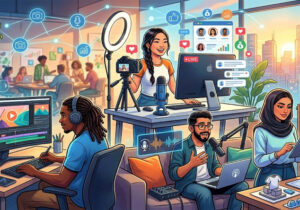
Almost every profession now incorporates some level of digital competency. Healthcare professionals use electronic medical records, educators rely on online learning platforms, marketers analyze customer behavior through digital analytics, and manufacturers utilize automation and smart technologies. Even industries traditionally considered less technology-focused are embracing digital solutions to improve efficiency and customer service.
Employers recognize that candidates with digital skills can adapt more quickly to technological changes. They often require less training, contribute to innovation, and help organizations remain competitive. Consequently, digital literacy has become one of the most sought-after qualities during recruitment.
The rise of hybrid and remote work has further increased the importance of digital proficiency. Employees who can effectively communicate through video conferencing, manage cloud-based documents, and collaborate using project management software are more likely to succeed in flexible work environments.
Digital Skills That Boost Career Mobility
Not all digital skills carry the same value, but several competencies consistently increase career mobility across industries. These skills are transferable, making it easier for professionals to move between different roles and sectors.
Some of the most valuable digital skills include:
- Digital communication and collaboration
- Cloud computing fundamentals
- Data analysis and visualization
- Spreadsheet and database management
- Search engine optimization (SEO)
- Digital marketing
- Social media management
- Content creation
- Graphic design basics
- Video editing
- Website management
- Cybersecurity awareness
- Artificial intelligence tools
- Automation software
- Project management platforms
- Customer relationship management (CRM) systems
Learning these skills enables professionals to contribute more effectively regardless of their specific job title. For example, a salesperson who understands customer data analytics can improve sales strategies, while a human resources professional familiar with digital recruitment platforms can streamline hiring processes.
The ability to learn new software quickly is equally valuable. Technology evolves continuously, so adaptability often matters more than mastering a single application.
Expanding Career Opportunities Across Industries
Digital skills allow professionals to explore career opportunities beyond their original field. Because many digital competencies are transferable, individuals can transition into industries experiencing rapid growth without starting from scratch.
For example, a teacher with expertise in online learning platforms and instructional design may transition into corporate training or educational technology. A journalist skilled in digital content creation and SEO can pursue opportunities in content marketing or communications. Likewise, a finance professional who develops data analytics skills may move into business intelligence or financial technology.
Technology has also reduced geographical barriers. Remote work enables professionals to apply for positions with companies located in different cities or countries without relocating. This expanded job market increases career mobility while providing access to organizations that value specialized digital expertise.
Freelancing has become another viable career option. Professionals with digital capabilities can offer services such as writing, graphic design, programming, consulting, marketing, and virtual assistance to clients worldwide. This flexibility allows individuals to diversify their income while building valuable professional experience.
Furthermore, digital entrepreneurship has created entirely new career paths. Individuals can launch online businesses, develop digital products, create educational courses, or build personal brands that generate sustainable revenue.
Continuous Learning as a Career Strategy
Digital transformation is an ongoing process, meaning that today’s valuable skills may evolve significantly over the next decade. Professionals who embrace continuous learning are better prepared to remain competitive throughout their careers.
Fortunately, learning digital skills has never been more accessible. Online courses, professional certifications, webinars, tutorials, virtual workshops, and industry communities provide flexible learning opportunities for individuals at every experience level.
Creating a personal learning plan helps maintain steady progress. Professionals should identify skills relevant to their career goals, dedicate regular time to learning, and apply newly acquired knowledge through practical projects. Building a portfolio that demonstrates digital capabilities can significantly strengthen job applications.
Networking within digital communities also supports career development. Participating in online forums, professional associations, webinars, and social networking platforms allows individuals to exchange knowledge, discover employment opportunities, and stay informed about emerging trends.
Employers increasingly value employees who demonstrate curiosity and initiative by continuously improving their skills. A commitment to lifelong learning signals adaptability and readiness for future challenges.
Preparing for the Future Digital Workforce
The future workplace will likely become even more technology-driven as artificial intelligence, machine learning, robotics, and automation continue to reshape industries. Rather than replacing all jobs, these technologies are changing how work is performed, creating demand for professionals who can effectively collaborate with digital systems.
Human-centered skills such as creativity, leadership, emotional intelligence, critical thinking, and complex problem-solving will remain essential. However, combining these qualities with strong digital competencies will provide professionals with a significant competitive advantage.
Organizations increasingly seek employees who can bridge the gap between technology and business strategy. Professionals capable of interpreting data, leveraging AI tools responsibly, managing digital projects, and supporting innovation will play critical roles in organizational success.
Preparing for this future involves more than learning software. It requires cultivating adaptability, resilience, curiosity, and a willingness to embrace technological change. Individuals who view learning as a continuous journey will be better positioned to seize new opportunities as industries evolve.
Conclusion
Digital skills have become one of the most powerful drivers of career mobility in the modern workforce. They enable professionals to adapt to changing job requirements, transition between industries, pursue remote opportunities, and remain competitive in an increasingly technology-focused economy. As businesses continue to embrace digital transformation, employees with transferable digital competencies will enjoy greater flexibility and broader career options.
Investing in digital skills is not simply about keeping up with technology—it is about creating long-term career resilience. By combining technical knowledge with continuous learning, adaptability, and strong interpersonal skills, professionals can confidently navigate changing labor markets and unlock new opportunities for personal and professional growth. In an uncertain future, digital literacy will remain one of the most valuable assets for building a successful and sustainable career.