
The workforce is undergoing a significant transformation as Generation Z and Millennials become the dominant generations in many industries. While previous generations often prioritized long-term job stability and traditional career paths, younger professionals are redefining success through flexibility, continuous learning, meaningful work, and digital innovation. Their values, expectations, and work preferences are influencing how organizations recruit, retain, and develop talent.
Technology, globalization, remote work, and economic uncertainty have shaped the career outlook of both Millennials and Gen Z. Rather than following a linear career trajectory, many young professionals embrace career mobility, entrepreneurship, freelance work, and lifelong skill development. Understanding these career trends is essential for employers, educators, and professionals who want to succeed in today’s rapidly evolving labor market.
The Shift Toward Flexible and Purpose-Driven Careers
One of the defining characteristics of Gen Z and Millennial professionals is their desire for flexibility. Unlike earlier generations that often associated career success with long-term employment at a single company, younger workers increasingly value autonomy over where, when, and how they work.
The widespread adoption of remote and hybrid work models has reinforced this preference. Many professionals now seek employers that support flexible schedules, work-life balance, and results-based performance rather than rigid office attendance.
Purpose has also become a major factor in career decisions. Younger employees are more likely to choose organizations whose values align with their own. Environmental sustainability, diversity and inclusion, ethical leadership, and social responsibility influence employment choices alongside salary and benefits.
Rather than asking only, “How much does this job pay?” many Gen Z and Millennial professionals also ask:
- Does this work have meaning?
- Can I continue learning?
- Will I have opportunities for growth?
- Does the company support employee well-being?
- Can I maintain a healthy work-life balance?
Organizations that successfully communicate their mission and invest in employee development are often better positioned to attract younger talent.
Digital Skills and Continuous Learning Drive Career Growth
Having grown up during the digital revolution, Millennials and Gen Z are generally comfortable with technology. However, they also recognize that technological change requires continuous learning throughout their careers.
Digital literacy is now considered a core professional competency rather than a specialized skill. Employers increasingly expect candidates to understand digital collaboration tools, cloud computing, artificial intelligence applications, data analysis, cybersecurity awareness, and digital communication.
Continuous learning has therefore become a defining career strategy. Many young professionals regularly participate in:
- Online certification programs
- Professional webinars
- Virtual workshops
- Industry conferences
- Micro-credential courses
- Self-paced online learning
- AI skills training
- Leadership development programs
Rather than relying solely on university degrees, employers increasingly value demonstrated skills, portfolios, certifications, and practical experience.
The rise of artificial intelligence has accelerated this trend even further. Professionals who learn to work alongside AI tools instead of competing against them are likely to enjoy greater career resilience in the years ahead.
Entrepreneurship and the Creator Economy Continue to Expand
Another important trend among Millennials and Gen Z is the growing interest in entrepreneurship. Instead of viewing employment as the only path to career success, many young professionals actively pursue independent income opportunities.
Digital platforms have lowered the barriers to starting businesses, allowing individuals to launch online stores, consulting services, educational platforms, digital products, subscription communities, and content-based businesses with relatively modest investments.
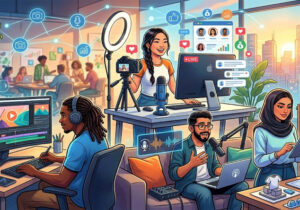
The creator economy has become a major career destination. Many individuals generate income through:
- Content creation
- Podcasting
- Blogging
- YouTube channels
- Online coaching
- Affiliate marketing
- Digital courses
- Newsletter publishing
- Freelance services
- Brand partnerships
Even professionals working full-time increasingly build personal brands alongside their primary careers. Establishing an online presence allows them to showcase expertise, expand professional networks, and create additional income streams.
Side hustles have become increasingly common as professionals seek greater financial security and career independence in uncertain economic conditions.
Career Mobility and Skills-Based Hiring Become More Common
The traditional expectation of spending decades with one employer continues to decline among younger generations. Instead, career mobility has become an accepted strategy for professional advancement.
Changing employers every few years often provides opportunities for salary growth, expanded responsibilities, and broader experience. Rather than being viewed negatively, strategic career transitions frequently demonstrate adaptability and ambition.
At the same time, hiring practices are evolving. Many organizations are shifting toward skills-based recruitment rather than relying exclusively on academic credentials or years of experience.
Employers increasingly evaluate candidates based on:
- Technical capabilities
- Problem-solving skills
- Communication
- Leadership potential
- Adaptability
- Digital proficiency
- Project portfolios
- Professional certifications
This approach creates more opportunities for career changers and self-taught professionals who have developed practical expertise outside traditional educational pathways.
Networking also plays an increasingly important role. Professional networking platforms allow individuals to connect directly with recruiters, industry experts, mentors, and potential employers across the globe.
Preparing for the Future Workplace
The careers of Gen Z and Millennials will likely continue evolving as emerging technologies reshape industries. Artificial intelligence, automation, robotics, virtual collaboration, and data-driven decision-making are expected to transform many existing occupations while creating entirely new ones.
Future career success will depend on balancing technical expertise with uniquely human skills that technology cannot easily replace.
These essential competencies include:
- Critical thinking
- Creativity
- Emotional intelligence
- Leadership
- Collaboration
- Adaptability
- Ethical decision-making
- Cross-cultural communication
- Lifelong learning
Organizations are also investing more heavily in employee well-being, flexible benefits, personalized learning, and internal career development to retain younger workers.
Professionals who embrace change, continuously update their skills, and remain open to new opportunities will be better equipped to navigate an increasingly dynamic employment landscape. Rather than preparing for a single lifelong profession, today’s workforce is preparing for multiple evolving careers throughout their working lives.
Conclusion
Career trends among Gen Z and Millennials reflect a broader transformation of the global workforce. Flexibility, meaningful work, digital expertise, entrepreneurship, and continuous learning have become central priorities for younger professionals. These generations are redefining career success by seeking opportunities that combine personal fulfillment with long-term professional growth rather than focusing solely on traditional job stability.
As technology continues to reshape industries, both employers and employees must adapt to changing expectations. Organizations that foster innovation, support employee development, and embrace flexible work environments will be better positioned to attract and retain top talent. Likewise, professionals who invest in digital skills, lifelong learning, and adaptability will be well prepared to thrive in the future of work, regardless of how the labor market evolves.